Owning a home is a dream for many, but even the most beautiful properties can hide a few surprises beneath their polished surfaces. Some of these hidden defects are minor annoyances, but others can lead to costly repairs if left undetected. Whether you’re a first-time buyer, a seasoned homeowner, or preparing to sell, knowing what to look for is your best defense.
In this guide, we’ll uncover 10 common hidden defects that might be lurking in your home and provide expert tips on how to identify and address them before they become a nightmare.
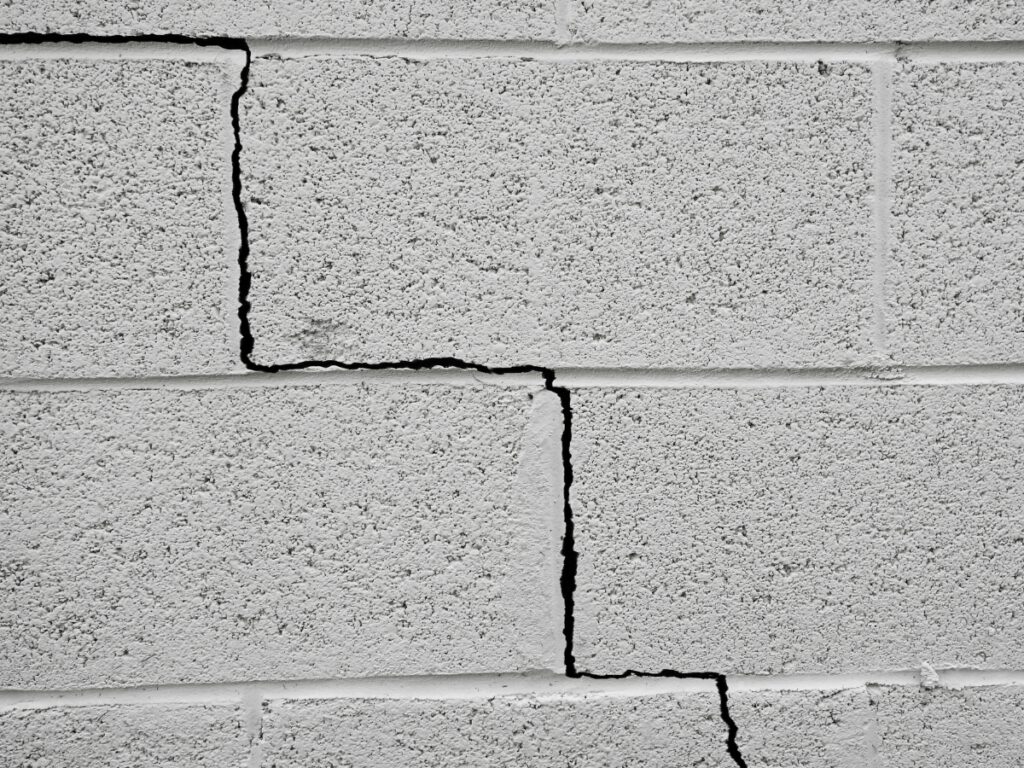
1. Foundation Cracks and Settlement Issues
Why It’s a Problem:
Your home’s foundation is its backbone. Cracks or signs of settlement can indicate structural issues that compromise the integrity of the entire property.
What to Look For:
• Cracks in walls, especially near windows, doors, or corners.
• Uneven or sloping floors.
• Sticking doors and windows.
How to Address It:
For minor cracks, a structural filler or sealant can work. However, significant settlement issues require the expertise of a structural engineer. Regularly inspecting your home’s foundation and ensuring proper drainage around the property can prevent these problems from worsening.
2. Leaky Roofs and Hidden Water Damage
Why It’s a Problem:
A leaky roof doesn’t just mean a drip here and there—it can lead to mold, rot, and damage to ceilings, walls, and insulation.
What to Look For:
• Stains or discoloration on ceilings and walls.
• Missing or damaged shingles.
• Musty odors in the attic or upper floors.
How to Address It:
Inspect your roof regularly, especially after heavy storms. Replace missing or damaged shingles promptly and ensure gutters are clear to prevent water pooling. For persistent leaks, call in a professional roofer for a thorough inspection.
3. Electrical Hazards
Why It’s a Problem:
Outdated or faulty electrical systems are a major safety risk, leading to potential fires or shocks.
What to Look For:
• Flickering lights.
• Warm or discolored outlets.
• Frequently tripped circuit breakers.
How to Address It:
Never ignore electrical issues. Hire a licensed electrician to inspect and update your wiring, outlets, and breaker panels. Installing modern circuit breakers and using surge protectors can also enhance safety.
4. Plumbing Leaks and Hidden Water Damage
Why It’s a Problem:
Leaky pipes waste water and lead to structural damage, mold, and increased utility bills.
What to Look For:
• Water stains under sinks or on ceilings.
• Low water pressure.
• Increased water bills without a change in usage.
How to Address It:
Fix visible leaks immediately using pipe tape or a replacement seal. For hidden leaks, consult a plumber to assess and repair the issue. Regularly check under sinks and around water heaters for early signs of leaks.
5. Poor Ventilation and Moisture Buildup
Why It’s a Problem:
Inadequate ventilation traps moisture, creating an environment for mold, mildew, and even pests.
What to Look For:
• Condensation on windows.
• Musty odors.
• Visible mold growth in bathrooms or basements.
How to Address It:
Ensure proper airflow by opening windows, using exhaust fans in kitchens and bathrooms, and maintaining HVAC systems. Dehumidifiers can help in damp areas like basements, and sealing cracks can prevent outdoor moisture from seeping in.
6. Termite Infestations
Why It’s a Problem:
Termites are silent destroyers, chewing through wood and compromising the structure of your home before you even notice.
What to Look For:
• Mud tubes near the foundation.
• Hollow-sounding wood.
• Discarded wings near windows or light fixtures.
How to Address It:
Schedule regular termite inspections, especially in areas prone to infestations. If termites are detected, work with a pest control professional to eliminate them and take preventive measures to protect your home.
7. Hidden Mold Growth
Why It’s a Problem:
Mold isn’t just unsightly—it can cause serious health problems, particularly for those with allergies or asthma.
What to Look For:
• Dark spots on walls, ceilings, or floors.
• Musty odors.
• Persistent respiratory issues in household members.
How to Address It:
For small areas, clean the mold with a mixture of water and vinegar or a mold-specific cleaner. Large infestations require professional remediation to ensure the mold is safely removed and the underlying cause is addressed.
8. Aging or Faulty HVAC Systems
Why It’s a Problem:
An inefficient HVAC system increases energy bills and may not provide adequate heating or cooling.
What to Look For:
• Uneven heating or cooling in different rooms.
• Strange noises or smells coming from vents.
• Increased energy bills.
How to Address It:
Have your HVAC system serviced annually to ensure it’s running efficiently. Replace filters regularly and consider upgrading to a more energy-efficient system if your current one is outdated.
9. Windows and Doors with Poor Sealing
Why It’s a Problem:
Gaps around windows and doors let in drafts, moisture, and pests while driving up energy costs.
What to Look For:
• Drafts near windows or doors.
• Difficulty opening or closing windows.
• Visible gaps or worn weather stripping.
How to Address It:
Seal gaps with caulk or weather stripping. For older windows, consider upgrading to energy-efficient models to improve insulation and reduce energy costs.
10. Outdated or Damaged Plumbing Fixtures
Why It’s a Problem:
Old or damaged fixtures can leak, waste water, and detract from the overall appeal of your home.
What to Look For:
• Dripping faucets.
• Discolored water.
• Corrosion or rust on fixtures.
How to Address It:
Replace old fixtures with modern, water-efficient models. Not only will this reduce water waste, but it can also give your home a fresh, updated look.
Final Thoughts: Take Action Before It’s Too Late
Hidden defects don’t have to become your worst nightmare. By staying proactive and conducting regular inspections, you can catch these issues early, saving you time, money, and stress.
If you’re unsure about any of these potential problems in your home, consider hiring a professional building inspector to provide a detailed assessment. At Peace of Mind Building Inspectors Pty Ltd, we specialize in uncovering hidden issues and providing clear, actionable advice to protect your investment.
Because surprises are only fun when they’re planned.