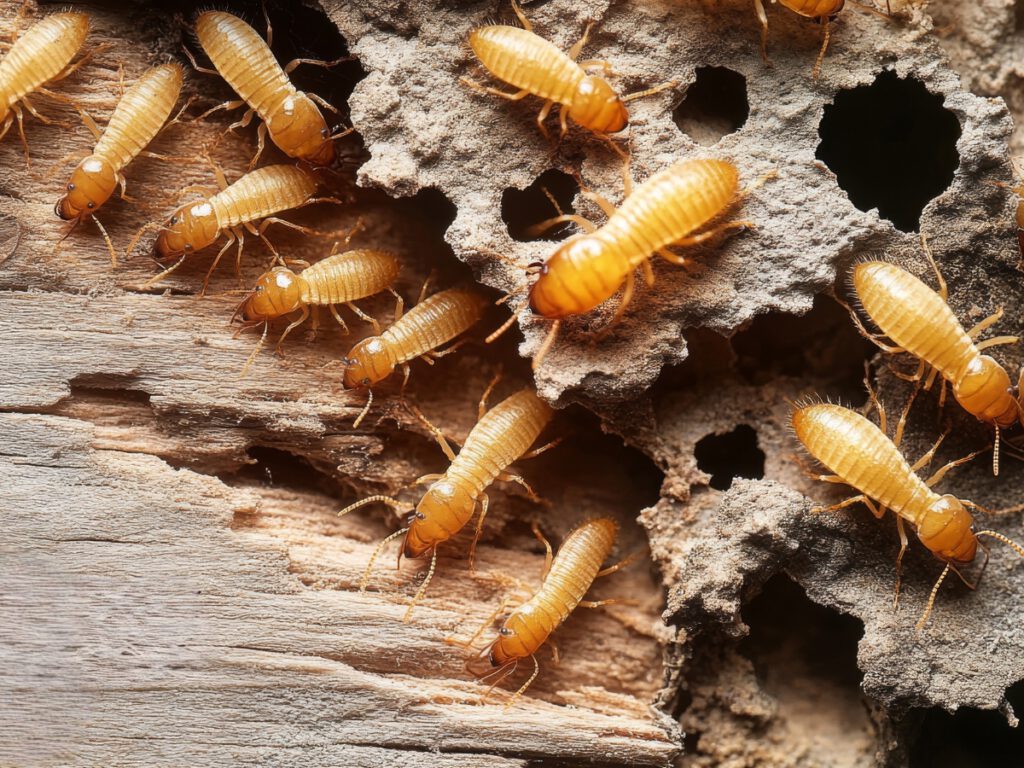
Imagine this: You’re standing in your living room, admiring the beautiful hardwood floors you’ve always loved. Then, one day, a small hole catches your eye. You tap the wood gently, and it crumbles like a biscuit. In a panic, you call in a professional, and the news isn’t good. Termites. And the damage? Let’s just say it’s not covered by your coffee fund—or your homeowner’s insurance.
Termites don’t just invade your home; they silently destroy it from the inside out. By the time you notice the signs, it’s often too late. But the good news? You can stop them before they turn your dream home into a nightmare.
Here’s everything you need to know about detecting and preventing these tiny terrors.
What Are Termites, and Why Should You Care?
Termites are small, ant-like insects that feed on cellulose—a key component of wood, paper, and anything organic. They’re nature’s recyclers, breaking down dead plant material in the wild. The problem? Your home is essentially an all-you-can-eat buffet for them.
Why You Should Care:
• Termites cause billions of dollars in damage globally each year.
• They work silently and persistently, often going undetected for months—or even years.
• They don’t just chew on wood; they can compromise the structural integrity of your entire home.
How to Detect Termite Activity
Termites are masters of stealth, but they leave behind clues if you know where to look. Here are the top signs of an infestation:
1. Mud Tubes:
Termites build pencil-thin mud tubes to travel between their colony and your home. You’ll typically find these along foundations or walls.
2. Hollow-Sounding Wood:
Tap on wooden beams, floors, or furniture. If it sounds hollow or feels weak, termites may have eaten away the interior.
3. Discarded Wings:
After swarming, termites shed their wings. Look for small piles near windowsills, doors, or light fixtures.
4. Frass (Termite Droppings):
Drywood termites leave behind tiny, pellet-like droppings that resemble sawdust.
5. Tight Doors and Windows:
If doors or windows suddenly stick or become difficult to close, termites may have warped the wood.
6. Bubbling Paint or Uneven Surfaces:
Moisture from termite activity can cause paint to bubble or walls to warp.
The Most Common Termite Entry Points
Knowing where termites are likely to enter can help you stay one step ahead:
• Foundations and Crawl Spaces: Termites can access your home through cracks in the foundation.
• Roof Voids: Damaged roof tiles or gutters can allow termites to infiltrate.
• Wooden Structures: Decks, fences, and garden beds close to your home are often their first stop.
• Plumbing and Utility Lines: Termites can follow pipes or cables that lead directly into your home.
How to Prevent Termite Infestations
Prevention is your first and best line of defense. Here’s how to make your home less appealing to termites:
1. Remove Wood-to-Soil Contact:
Ensure wooden structures like decks and fences don’t touch the ground directly. Use metal or concrete barriers instead.
2. Eliminate Moisture:
Fix leaking pipes, maintain proper drainage, and use dehumidifiers in damp areas like basements or crawl spaces.
3. Store Firewood Away from the House:
Firewood and other wooden materials should be stored at least 20 feet from your home.
4. Use Termite-Resistant Materials:
When building or renovating, opt for treated wood, concrete, or steel for structures close to the ground.
5. Maintain a Clean Perimeter:
Keep shrubs, trees, and mulch away from your home’s foundation. Termites can use these as bridges to get inside.
6. Schedule Regular Inspections:
Professional termite inspections are crucial, especially in areas prone to infestations. Experts know exactly where to look and can catch problems early.
What to Do If You Spot Termites
If you suspect termites, don’t panic—but don’t wait, either. Here’s what you should do:
Step 1: Call a professional termite inspector immediately. They’ll confirm the presence of termites and assess the extent of the damage.
Step 2: Avoid disturbing the affected area. Trying to handle termites yourself can cause them to relocate, making treatment harder.
Step 3: Follow through with professional treatment. Depending on the severity, this may include bait systems, chemical barriers, or fumigation.
Step 4: Implement prevention measures to ensure they don’t come back.
Professional vs. DIY Termite Control
While there are DIY termite control options available, such as sprays and baits, they’re often ineffective for larger infestations. Here’s why professional help is worth it:
• Comprehensive Inspection: Professionals know where termites hide and can assess the full extent of the infestation.
• Long-Term Solutions: Professional treatments are designed to eliminate colonies and prevent future infestations.
• Guaranteed Results: Many pest control companies offer warranties or follow-up services for peace of mind.
Why Termite Inspections Are Non-Negotiable
Termites may be small, but their impact is anything but. A termite inspection is the best way to:
• Detect infestations early, before they cause significant damage.
• Protect your investment and avoid costly repairs.
• Gain peace of mind knowing your home is safe and sound.
At Peace of Mind Building Inspectors Pty Ltd, our termite inspections are thorough, professional, and tailored to your property. We use advanced detection techniques to uncover termite activity and provide clear, actionable recommendations to safeguard your home.
Final Thoughts: Don’t Let Termites Take a Bite Out of Your Home
Termites don’t send warning letters—they just start chewing. The key to protecting your home is vigilance, prevention, and prompt action. By staying informed and scheduling regular inspections, you can ensure these silent destroyers never get the chance to move in.
Ready to defend your home? Contact Peace of Mind Building Inspectors today to schedule a professional termite inspection.
Because surprises are only fun when they’re planned—and not chewing through your walls.