The Risk You Didn’t Know You Were Taking
You’ve found the one. The house that ticks every box: charming façade, ample space, a dreamy backyard, and just the right price. You’re ready to sign the dotted line when a tiny voice in the back of your head whispers, “Should I get a building inspection?”
Sure, you think, it looks fine. The floors aren’t creaking, the roof isn’t leaking, and you’ve already envisioned where the couch will go. Skipping the inspection will save time and money, right? Well, let’s fast-forward six months. The charming façade? Hiding cracks. That dreamy backyard? Home to a termite infestation. And that price you loved? Now accompanied by a hefty repair bill.
Skipping a pre-purchase inspection isn’t just a gamble—it’s a potential disaster waiting to happen. Here’s why this one step is absolutely essential and what can go wrong when you overlook it.
What Is a Pre-Purchase Inspection?
A pre-purchase inspection is like the ultimate background check for a property. Before you commit to buying, a professional building inspector thoroughly examines the home, looking for structural issues, safety hazards, and hidden defects that aren’t visible during a casual walkthrough.
The result? A detailed report outlining the condition of the property, complete with photos and recommendations. It’s your roadmap to making an informed decision—and potentially saving thousands in unexpected costs.
The Risks of Skipping a Pre-Purchase Inspection
So, what happens when you choose to “trust your gut” instead of hiring a professional? Let’s break down the risks:
1. Hidden Defects:
The most significant danger of skipping an inspection is what you don’t see. Cracks in the foundation, water damage behind freshly painted walls, or outdated wiring can lead to major problems down the road.
2. Financial Loss:
A bargain home can quickly turn into a financial black hole when repair bills start piling up. Without an inspection, you’re essentially buying the property “as-is,” with no idea of what that truly means.
3. Health and Safety Hazards:
Faulty wiring, mold, or unstable structures aren’t just expensive to fix—they’re dangerous. An inspection ensures you’re not walking into a property that compromises your family’s safety.
4. Negotiation Missed Opportunities:
An inspection report gives you leverage. Without one, you’re forfeiting the chance to negotiate repairs or adjust the price based on the property’s condition.
5. Legal Liability:
If the property has non-compliant structures or safety hazards, you could be held accountable for fixing them after purchase, often at significant cost.
What Does a Pre-Purchase Inspection Cover?
Think of it as a top-to-bottom health check for the property. Here’s what professional inspectors look at:
1. Structural Integrity:
From the foundation to the roof, they’ll check for cracks, shifting, or weaknesses that could compromise the home’s stability.
2. Plumbing and Drainage:
Leaky pipes, blocked drains, or water damage? They’ll find it before it finds you.
3. Electrical Systems:
Inspectors look for outdated wiring, faulty circuits, and potential fire hazards.
4. Roof and Guttering:
Is the roof watertight? Are the gutters properly draining? An inspection ensures these critical components are up to par.
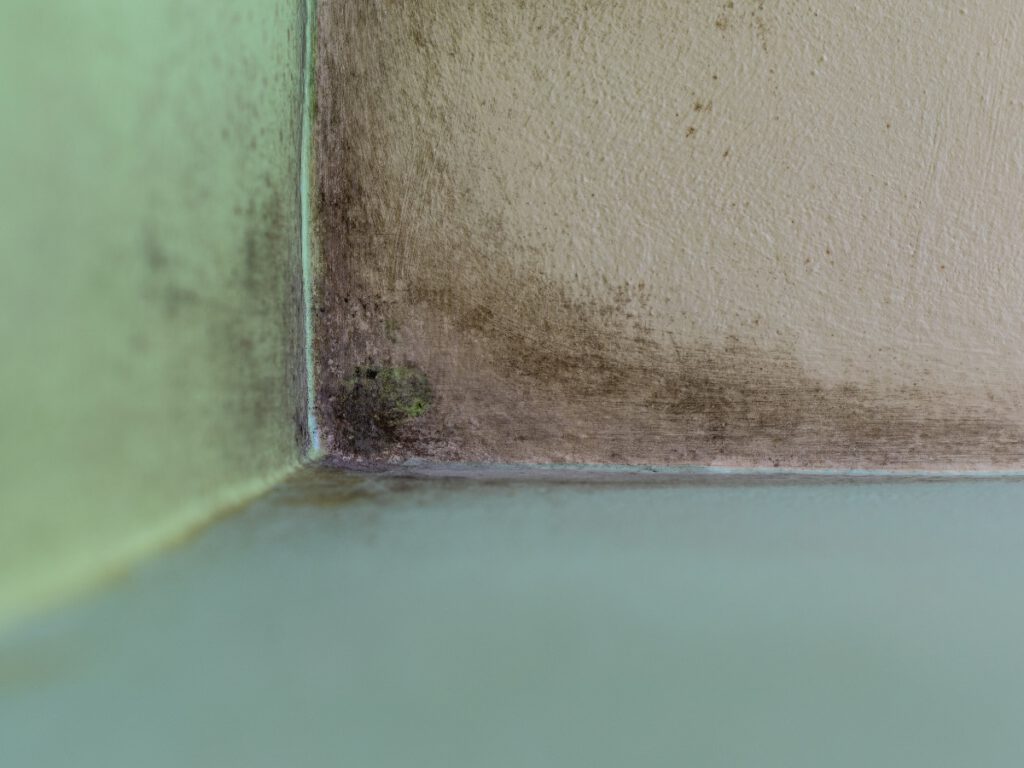
5. Moisture and Mold:
Hidden dampness can lead to mold, which is costly to remove and harmful to your health.
6. Termite and Pest Activity:
Even a pre-purchase inspection that isn’t termite-specific will flag any obvious signs of pests or infestations.
7. Compliance:
Inspectors will check for non-compliant structures, such as renovations or extensions that weren’t approved by local councils.
The True Cost of Ignorance: Real-Life Examples
Case 1: The Foundation Fail
A couple bought their dream home, only to discover significant foundation cracks six months later. Repair costs? Over $30,000. An inspection would have flagged the issue before purchase, giving them the chance to negotiate or walk away.
Case 2: The Termite Invasion
A young family moved into their first home, unaware of a hidden termite infestation. The damage required extensive repairs to structural beams and flooring, costing them $20,000—and a lot of stress.
Case 3: The DIY Nightmare
What looked like a charming renovation turned out to be a poorly executed DIY project with multiple safety hazards. The buyers ended up spending thousands to bring it up to code. An inspection would have revealed these red flags upfront.
How a Pre-Purchase Inspection Protects You
1. Knowledge Is Power:
An inspection gives you a clear understanding of the property’s true condition, helping you make an informed decision.
2. Negotiation Leverage:
With a detailed report in hand, you can negotiate repairs or adjust the purchase price to account for any issues.
3. Peace of Mind:
Knowing exactly what you’re buying ensures there are no nasty surprises waiting for you after the keys are handed over.
4. Long-Term Savings:
Identifying problems early often means cheaper fixes. Addressing minor defects now can prevent major repairs later.
Why Trust the Professionals?
While you might feel confident spotting surface-level issues, professional inspectors have the training, tools, and experience to uncover hidden problems. They know where to look, what to test, and how to interpret their findings.
When Should You Schedule a Pre-Purchase Inspection?
Ideally, your inspection should be scheduled after you’ve made an offer but before the contract becomes unconditional. This gives you the flexibility to negotiate or withdraw based on the report’s findings.
Final Thoughts: Don’t Skip the Safety Net
Buying a home is exciting, but it’s also one of the biggest financial decisions you’ll ever make. Skipping a pre-purchase inspection might save you a few hundred dollars upfront, but it could cost you tens of thousands in the long run—not to mention the stress and heartache of dealing with unexpected issues.
At Peace of Mind Building Inspectors Pty Ltd, we specialize in providing comprehensive, easy-to-understand pre-purchase inspection reports. Our goal? To give you the clarity, confidence, and peace of mind you need to make the right decision.
Because surprises are only fun when they’re planned—and definitely not when they’re structural.
Ready to protect your investment? Contact us today to schedule your pre-purchase inspection.