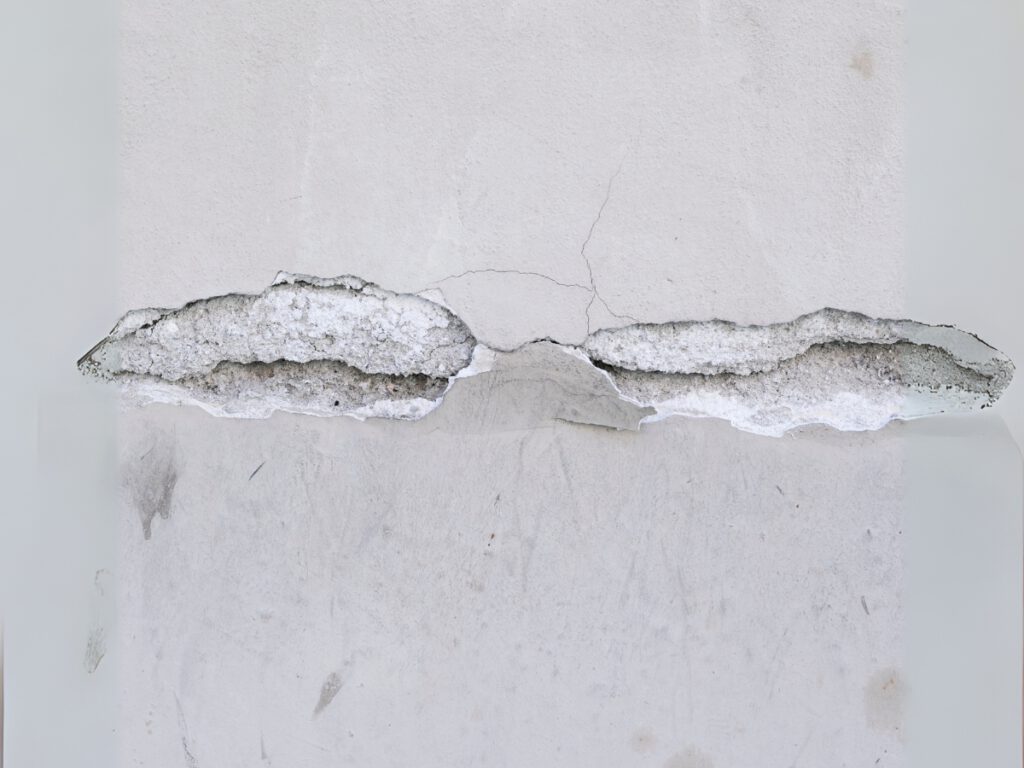
Picture this: you’ve just purchased what you think is your dream home. It’s got the perfect kitchen, a backyard for summer BBQs, and enough bedrooms to accommodate your growing collection of hobbies (or future family members). But just as you’re settling in, the honeymoon phase comes to a screeching halt.
A crack in the wall starts growing. The taps leak like a bad comedy sketch. Your “dream home” quickly turns into a DIY nightmare.
Sound dramatic? It happens more often than you think. That’s where a professional building inspection comes in. Whether you’re buying, selling, or just maintaining your property, a building inspection is the safety net that catches what you didn’t see coming. Let’s explore why this service is the unsung hero of smart homeownership—and why you should book one yesterday.
What Is a Building Inspection, Really?
Before we dive into the nitty-gritty, let’s demystify what a building inspection actually entails. It’s not just someone wandering around your house with a flashlight and a clipboard. A building inspection is a detailed, methodical process where a trained professional examines your property’s structural integrity, safety, and overall condition.
This includes everything from the foundation to the roof, plumbing to wiring, and even the tiny details, like whether that wobbly stair might be a lawsuit waiting to happen. The goal? To provide you with a comprehensive report highlighting any defects, risks, or maintenance issues, along with actionable recommendations.
Who Needs a Building Inspection?
Short answer: Everyone. Long answer: Everyone who values their wallet, their sanity, and their home.
For Buyers:
Buying a home is likely the biggest investment you’ll ever make. A building inspection ensures you’re not signing up for a money pit disguised as a charming fixer-upper.
For Sellers:
Want to avoid last-minute surprises during negotiations? A pre-sale inspection can help you fix potential deal-breakers and present your property in its best light.
For Current Homeowners:
Even if you’re not buying or selling, regular inspections can catch small issues—like a crack in the foundation or a leaking pipe—before they become budget-draining disasters.
The Risks of Skipping a Building Inspection
Sure, you might save a few hundred bucks by skipping the inspection, but here’s what you could be signing up for instead:
1. Hidden Costs:
That lovely tiled bathroom? It might be concealing water damage or faulty plumbing. Without an inspection, you won’t know until your repair bill is bigger than your last vacation.
2. Safety Hazards:
From faulty wiring to weak structural supports, hidden dangers can put your family’s safety at risk. A building inspection is like a seatbelt for your home—why would you go without it?
3. Diminished Value:
If you’re selling a property, undisclosed defects can scare off buyers or lead to price negotiations that leave you with less than you deserve.
What a Building Inspection Covers
A professional inspection is like a deep dive into the health of your property. Here’s what you can expect:
1. Structural Integrity:
This includes foundations, walls, beams, and roofing. Is everything sturdy and secure, or is your house one strong wind away from a Leaning Tower of Pisa situation?
2. Plumbing and Water Systems:
From leaky faucets to hidden pipe damage, inspectors check for issues that could lead to water waste—or worse, structural damage.
3. Electrical Systems:
Safety is key here. Inspectors look for outdated wiring, overloaded circuits, or any potential fire hazards.
4. Interior and Exterior Conditions:
This covers walls, floors, ceilings, doors, and windows, ensuring they’re not only functional but also safe.
5. Roof and Guttering:
Your roof is your first line of defense against the elements. Inspectors ensure it’s up to the task and check gutters for proper drainage.
6. Moisture and Mold Detection:
Unseen moisture is a silent killer, leading to mold, rot, and significant structural problems.
7. Pests and Infestations:
While not a full termite inspection, your building inspector will often flag signs of pests like termites or rodents.
What Happens After the Inspection?
You’ll receive a detailed report outlining:
• The condition of your property.
• Any identified defects or issues.
• Recommendations for repairs, maintenance, or further investigation.
It’s not just a list of problems; it’s a roadmap for protecting your investment.
How to Choose the Right Building Inspector
Not all inspectors are created equal. Here’s what to look for:
1. Experience:
An inspector with years of hands-on construction knowledge (like us!) will know what to look for and what it means for you.
2. Qualifications:
Ensure your inspector is licensed and certified in your region.
3. Reputation:
Look for reviews, testimonials, or referrals from trusted sources.
4. Thoroughness:
Ask what their inspection includes. A quality inspection should be comprehensive, not just a quick walk-through.
Why Building Inspections Are Worth Every Cent
Think of a building inspection as an investment in peace of mind. For a fraction of what it costs to fix a major defect, you get the clarity and confidence to make informed decisions about your home. Whether you’re buying, selling, or simply maintaining, an inspection ensures you’re never caught off guard by surprises you didn’t budget for.
Final Thoughts: Don’t Wait Until It’s Too Late
Homes are complex, and even the most beautiful ones can have skeletons in the closet—or cracks in the foundation. A professional building inspection is the best way to protect your investment, your safety, and your sanity.
At Peace of Mind Building Inspectors Pty Ltd, we’ve seen it all—and we know exactly where to look to ensure nothing escapes detection. Our detailed reports give you the knowledge and confidence to move forward, no matter your situation.
Because surprises are only fun when they’re planned.
Ready to book your inspection? Contact us today and let us help you uncover the truth about your home.